

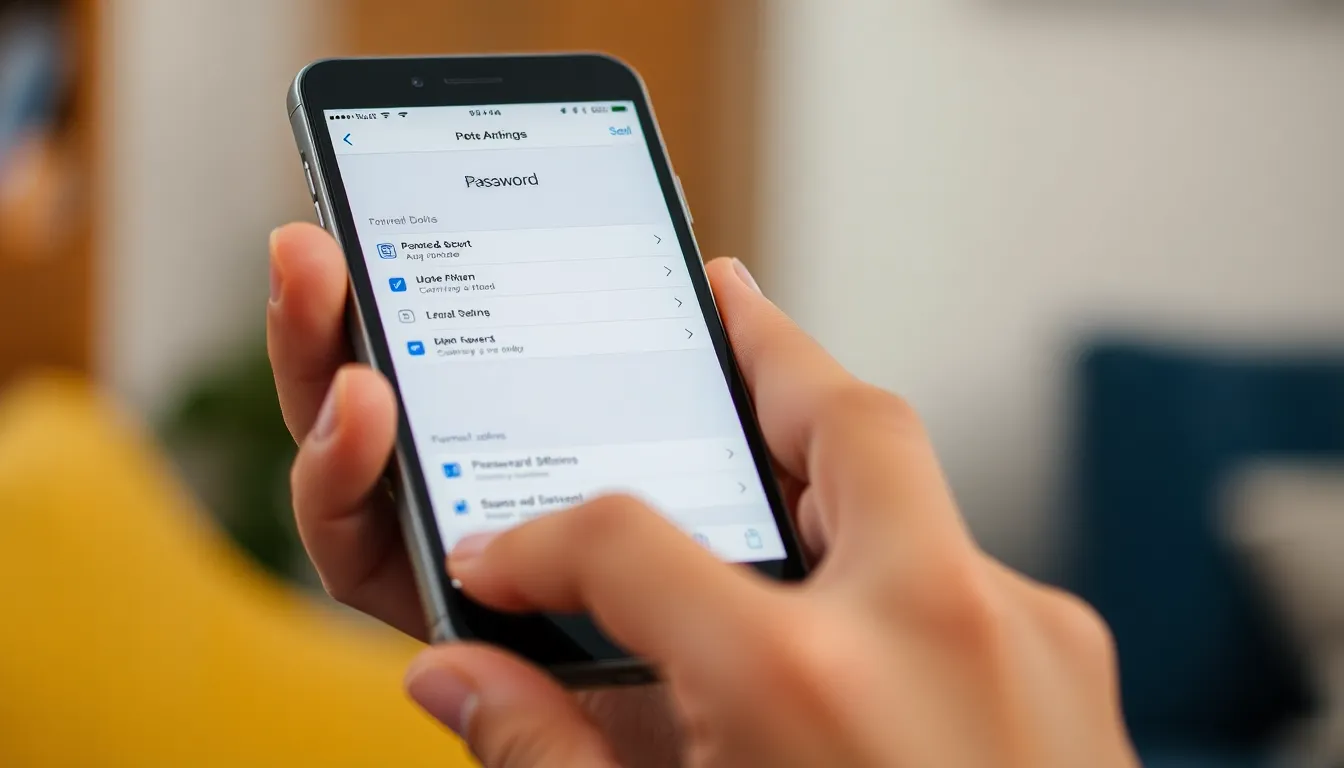
Changing your password on an iPhone might sound as thrilling as watching paint dry, but it’s a crucial step in keeping your digital life secure. Imagine your phone as a treasure chest; without a strong password, it’s like leaving the lid wide open for pirates! Whether you’re protecting personal photos or sensitive information, a fresh password can give you peace of mind.
Understanding Password Security
Password security plays a crucial role in protecting personal information on an iPhone. A strong password acts as the first line of defense against unauthorized access. Weak passwords can lead to significant risks, including identity theft or loss of sensitive data.
Many users underestimate the importance of complex passwords. Simple passwords are easier for attackers to guess. Incorporating a mix of letters, numbers, and symbols enhances password strength. It’s advisable to use at least 12 characters for added security.
Changing passwords regularly is an effective strategy for safeguarding accounts. Each time a password is updated, it reduces the risk of someone gaining access based on previously leaked information. Utilizing unique passwords for different accounts ensures that a breach in one does not compromise others.
Two-factor authentication is another layer of protection many users overlook. This feature mandates a secondary verification method, significantly increasing security. Even if a password gets stolen, access to the account remains restricted.
Regular monitoring of account activity also contributes to security. Users should keep an eye on any unrecognized login attempts. Promptly addressing suspicious activities can help mitigate potential threats.
Incorporating a password manager simplifies the process of creating and storing complex passwords. This tool can generate unique passwords for each account, storing them securely. Adopting this practice not only enhances security but also streamlines access to various services.
Ultimately, understanding password security is essential for protecting digital assets. Users who prioritize this aspect of online safety take significant steps toward ensuring their information remains secure.
Changing Your Apple ID Password

Changing your Apple ID password enhances security and protects personal information. Users can choose from two methods: using their iPhone settings or the Apple ID website.
Using Your iPhone Settings
Accessing settings on an iPhone provides a convenient way to change the Apple ID password. Tap on your name, then select “Password & Security.” From there, choose “Change Password.” Enter the current password, then create a new one. A strong password needs at least 12 characters, incorporating letters, numbers, and symbols for maximum security.
Using the Apple ID Website
Another method involves the Apple ID website. This option works well for those who prefer using a computer. Navigate to the Apple ID account page and select “Forgot Apple ID or password?” Enter the required information to proceed. Follow the prompts to reset the password. Remember to create a unique password not used elsewhere for optimal security.
Changing Device Passcode
Changing the device passcode is essential for enhancing security. Follow the steps below to update your passcode quickly and effectively.
Through Settings
Access the Settings app on your iPhone. Find and tap “Face ID & Passcode” or “Touch ID & Passcode,” depending on your device model. Enter your current passcode when prompted. Scroll down to the “Change Passcode” option and select it. Input your existing passcode again. Finally, enter your new passcode and confirm it for security. Utilize a strong passcode that incorporates a mix of numbers and letters for maximum protection. Keep in mind that regular updates to your passcode fortify your device against unauthorized access.
Using Touch ID or Face ID
Utilize Touch ID or Face ID for added convenience and security. Open the Settings app, then choose “Face ID & Passcode” or “Touch ID & Passcode.” After entering your current passcode, enable the option to use these features for locking/unlocking your device. Follow the prompts to set up or adjust biometric login settings. Using facial recognition or fingerprints simplifies access while also enhancing security. Strong biometric authentication helps prevent unauthorized access, making it an excellent option for users concerned with privacy and safety.
Managing Passwords in Apps
Managing passwords in apps helps ensure personal information remains secure. Users can change passwords directly within the application settings, typically under account or security sections. App developers often implement features that facilitate password changes, making it straightforward for users to enhance security.
Some applications offer an option to remember passwords, simplifying login processes. Users should consider disabling this feature for sensitive accounts to minimize risks. Instead, relying on a password manager allows the creation of complex, unique passwords for each app. Utilizing a password manager can reduce the temptation to reuse passwords across multiple platforms.
Many apps support two-factor authentication, adding an extra layer of security. The verification process requires users to input a code sent to their registered device, ensuring only authorized individuals access accounts. Users should enable this feature wherever it’s available to strengthen security.
It’s essential to regularly review app permissions and security settings. Taking time to assess account activity helps identify any suspicious actions. Users can log out of applications when not in use, preventing unauthorized access.
Frequent password updates are crucial for maintaining account integrity. Changing passwords every few months, especially for financial or sensitive applications, is advisable. Users should aim for passwords containing at least 12 characters that combine letters, numbers, and symbols for optimal security.
Notifications from applications about unusual login attempts should not be ignored. Addressing these alerts promptly can help prevent potential breaches. Users must stay vigilant and adjust passwords when alerted to suspicious activity, reinforcing their commitment to security.
Changing passwords on an iPhone is a crucial step in maintaining digital security. By following the outlined methods users can ensure their personal information stays protected from unauthorized access. Regularly updating passwords and implementing two-factor authentication adds layers of defense against potential threats.
Utilizing a password manager can streamline the process of creating and storing complex passwords. This practice not only simplifies security management but also encourages stronger password habits. Prioritizing password and passcode security is essential for anyone looking to safeguard their digital life effectively. Taking these proactive measures helps users enjoy peace of mind knowing their sensitive information is well-protected.