

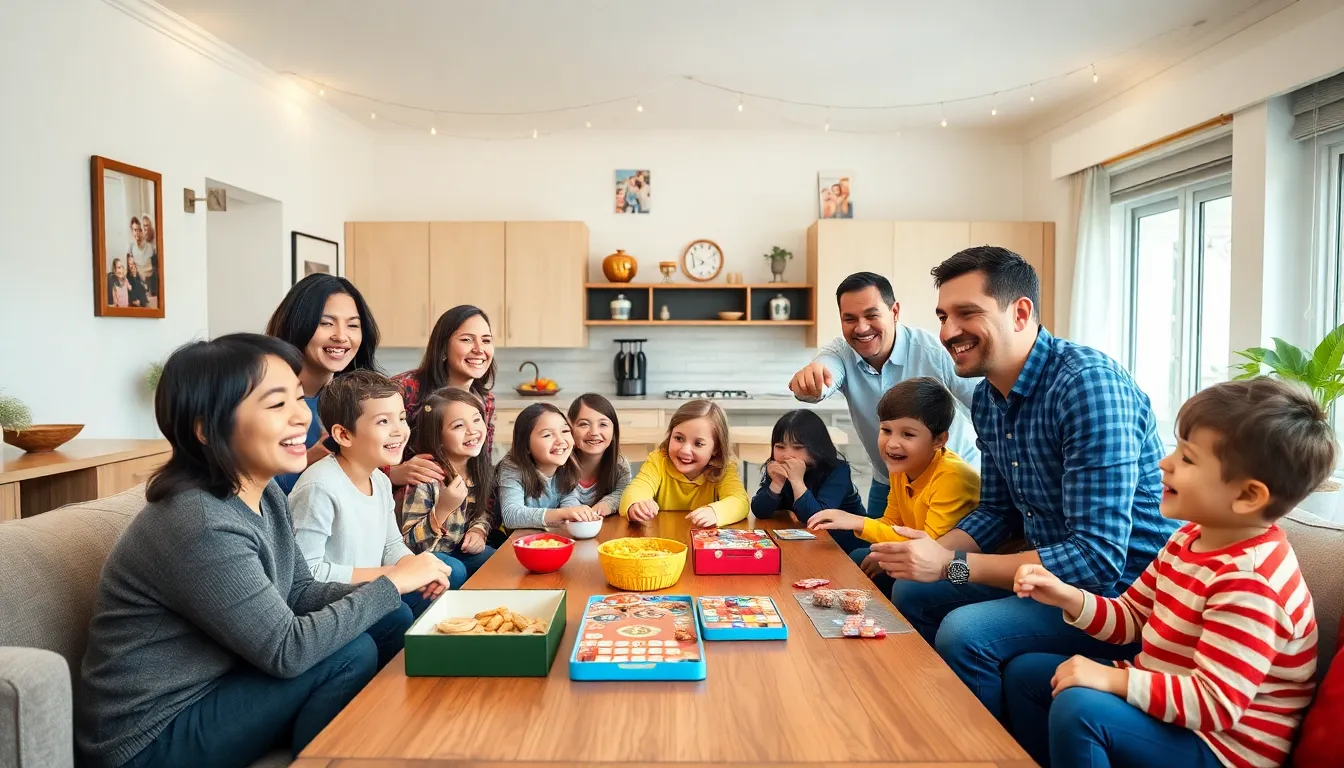
Have you ever noticed how some families seem to have fun quirks? You know, those delightful little idiosyncrasies that make them stand out? Family traditions can be part of that unique flavor, think of them as a special recipe, with each member adding a dash of their personality. Whether it’s an annual pancake-off or a quirky holiday celebration, these traditions can strengthen bonds and spice up family life. So, get ready to jump into the importance and creation of unique family traditions that might just outshine every turkey on the table.
The Importance of Family Traditions
Building Bonds Through Shared Experiences
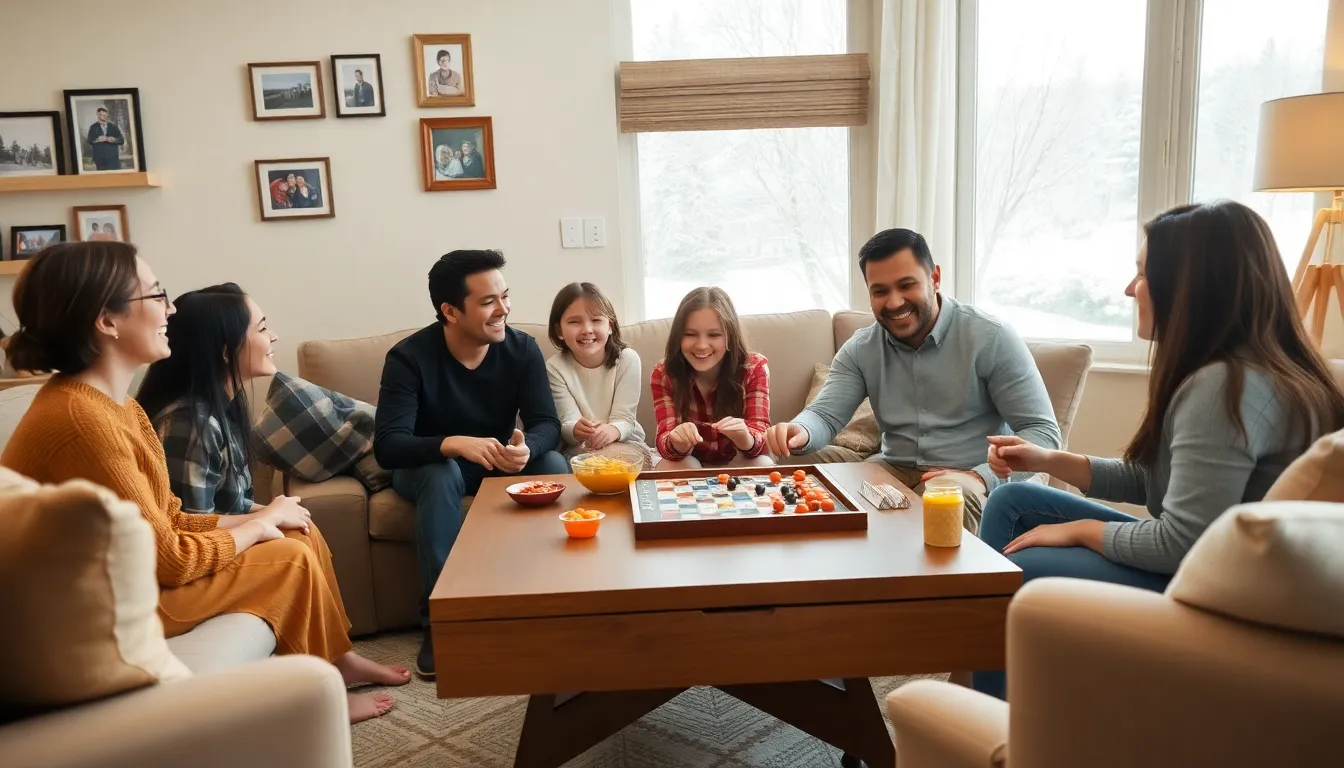
Family traditions are like glue that keeps families together. They create shared experiences that help members connect on a deeper level. Imagine a family gathering over a game night every month, where laughter fills the room and competition turns into friendly banter. These interactions build trust and familiarity, making relationships stronger over time.
Through laughter, tears, and storytelling during these gatherings, families reinforce connections that often lead to a feeling of belonging. This is especially beneficial in today’s busy world, where daily life can sometimes overshadow personal connections.
Creating Lasting Memories
Plus to bonding, family traditions help cultivate lasting memories one can treasure forever. Think about those snowy winter days spent making cookies, cooking together, or even bickering over the best recipe. These are the moments that get etched into the collective family memory bank.
When reminiscing about these traditions years down the line, families will find themselves giggling over shared stories, igniting that joyful nostalgia. Also, sharing those favorite moments helps engrain traditions in the next generation’s minds, ensuring they won’t be forgotten anytime soon.
Different Types of Family Traditions
Cultural Traditions and Their Significance
Cultural traditions play a crucial role within families, serving as a bridge to heritage. These rituals often provide context and meaning, reinforcing ethnic identities that shape family narratives. A family gathering during Diwali, for instance, might include the exchange of sweets and the lighting of lamps, creating a connection to cultural roots that can be profoundly enriching.
Through these celebrations, families create an understanding of where they come from, which can offer invaluable insights to younger generations.
Seasonal Celebrations and Rituals
Seasonal traditions like Thanksgiving dinners or summer barbecues showcase the joy of celebrating special occasions. These rituals can transform ordinary days into memorable events. A simple autumn pumpkin carving session can evolve into a delightful family festivity, complete with cheesy horror movies and lots of laughter. These seasonal markers help families plan their year and look forward to special moments throughout.
Everyday Family Traditions
Even mundane habits can morph into cherished family traditions. Whether it’s a Sunday breakfast tradition where everyone gets to choose their favorite dish or a nightly ritual of reading together before bed, these daily moments can create a foundation that nurtures emotional security. It’s amazing how something as simple as a weekly family movie night can create a rich tapestry of shared experiences.
How to Create Unique Family Traditions
Incorporating Family Interests and Hobbies
Creating unique family traditions starts with tapping into everyone’s interests. Families can brainstorm activities everyone loves, whether it’s hiking, crafting, or even a good old-fashioned board game marathon. By incorporating favorite activities, families not only engage their members but also make the traditions uniquely theirs.
For instance, if a family loves to cook, they could start a monthly cook-off where everyone takes turns showcasing a dish from different parts of the world. How’s that for a delicious twist on family bonding?
Adapting Traditions Over Time
Family traditions shouldn’t be static: they can evolve as families grow and change. As new members join and children age, there’s a natural ebb and flow to traditions. Maybe the beloved winter ice-skating outing turns into a cozy game night as the kids get older. The beauty lies in the adaptability of these traditions, allowing them to remain relevant and engaging through different family stages. This flexibility keeps traditions fresh and exciting, ensuring the family unit continues to enjoy them.
Sharing Traditions with Future Generations
Passing Down Family Stories and Values
One of the most significant aspects of family traditions is their role in passing down stories and values. Grandparents can share tales of resilience, love, and wisdom during family gatherings. Children who hear these stories learn about family values, ethics, and history, deepening their sense of identity.
These narratives become the threads woven into the family’s fabric, ensuring that the legacies of past generations continue to flourish.
Encouraging Family Participation and Involvement
Creating an inclusive environment where all family members can contribute to traditions is essential. Involving everyone in planning or executing can spark excitement and ownership over the shared experiences. Whether it’s brainstorming ideas for a holiday celebration or designing family t-shirts for the annual reunion, each person’s involvement makes the tradition uniquely theirs. This engagement fosters unity and excitement around shared experiences, bringing the family closer together.